THE COSMIC HORTICULTURAL FOUNDATION OF HYTHE
Y4
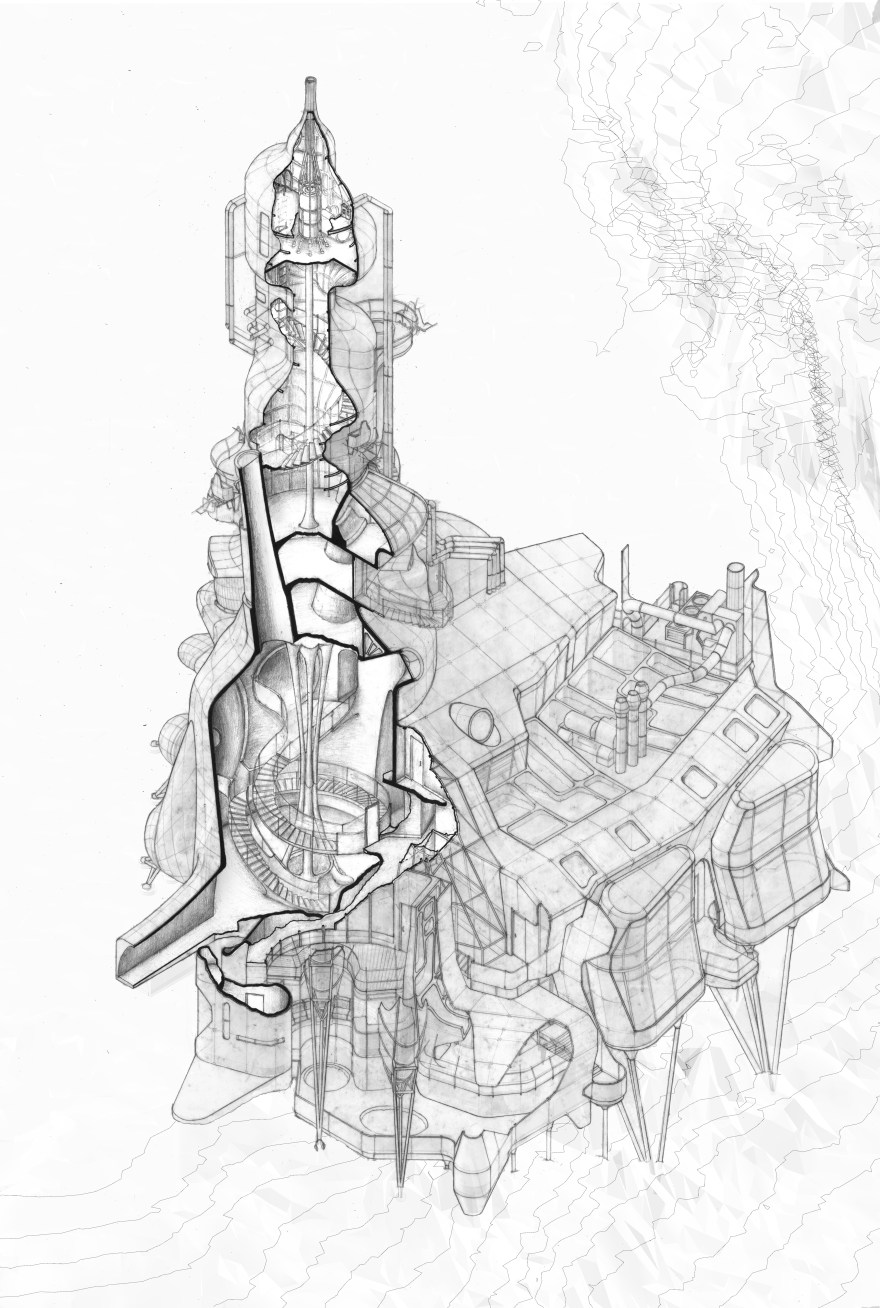
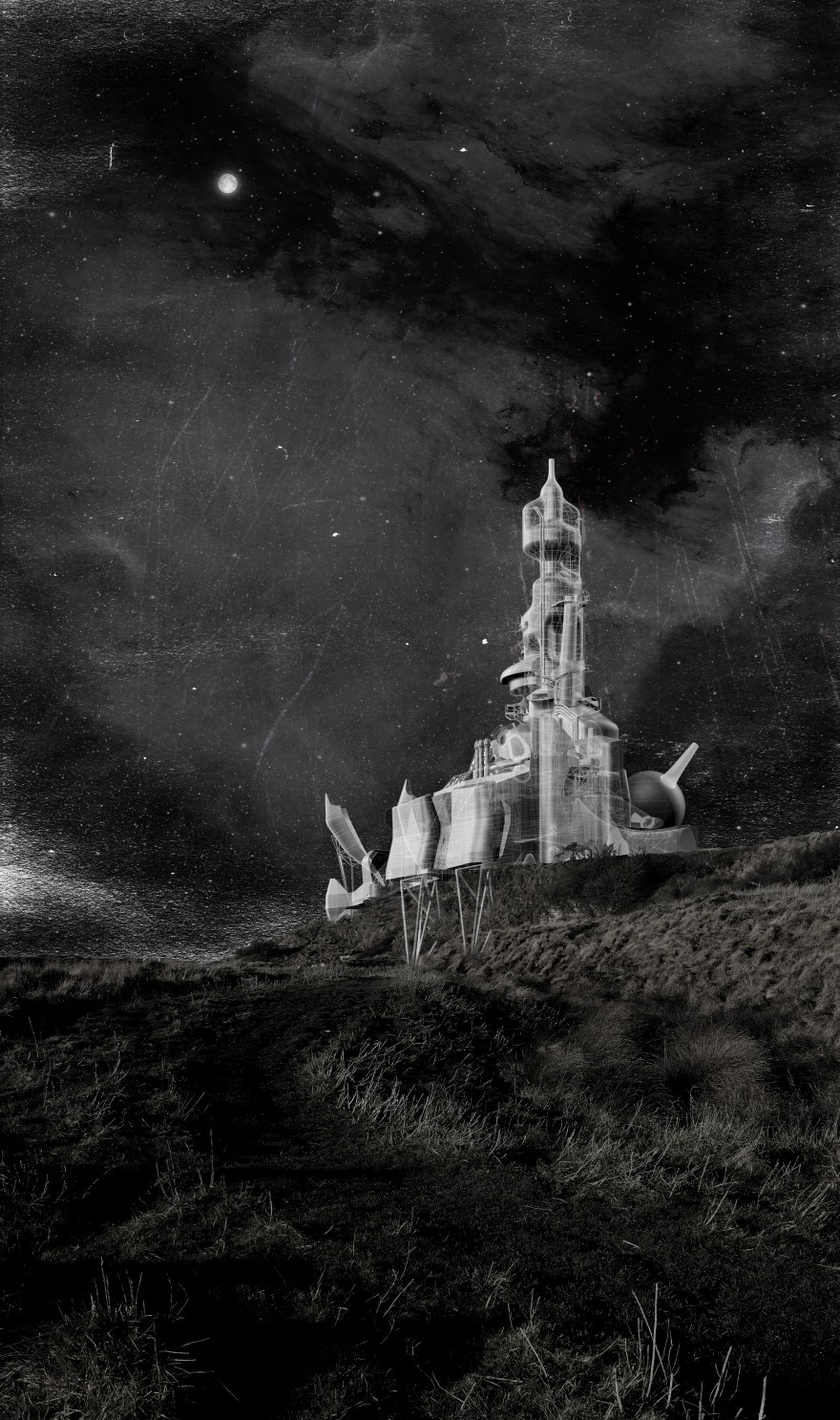
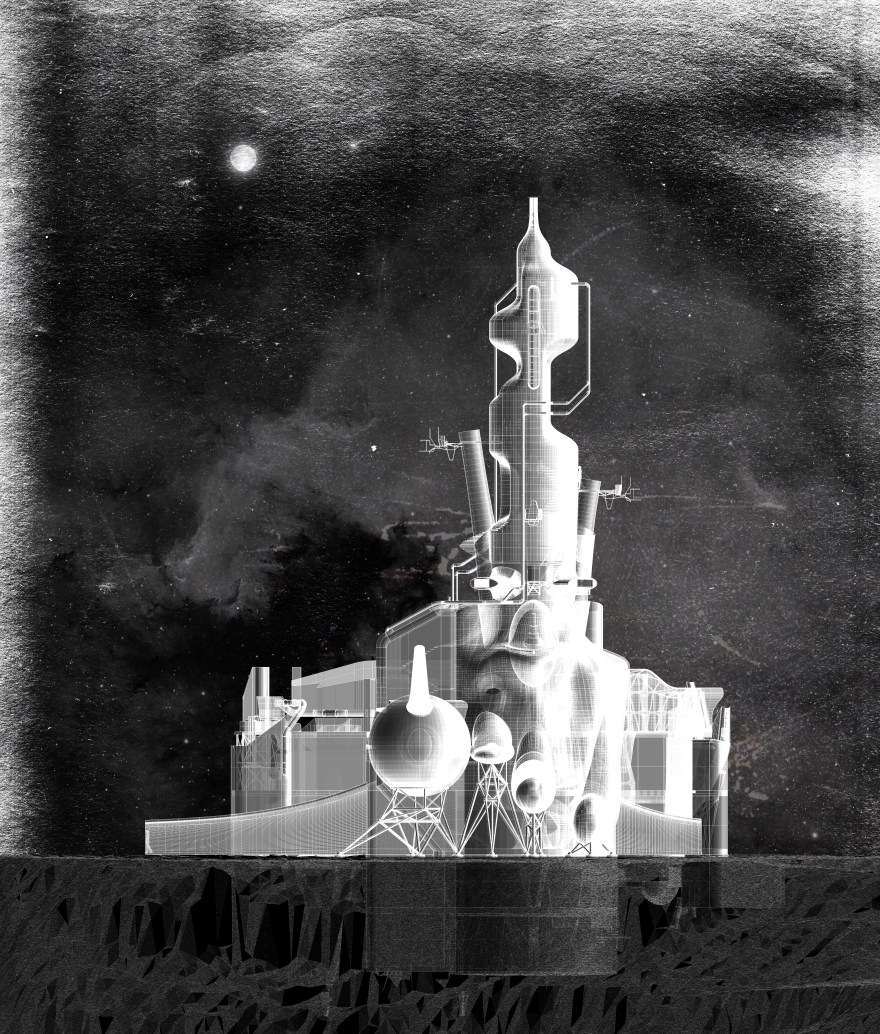
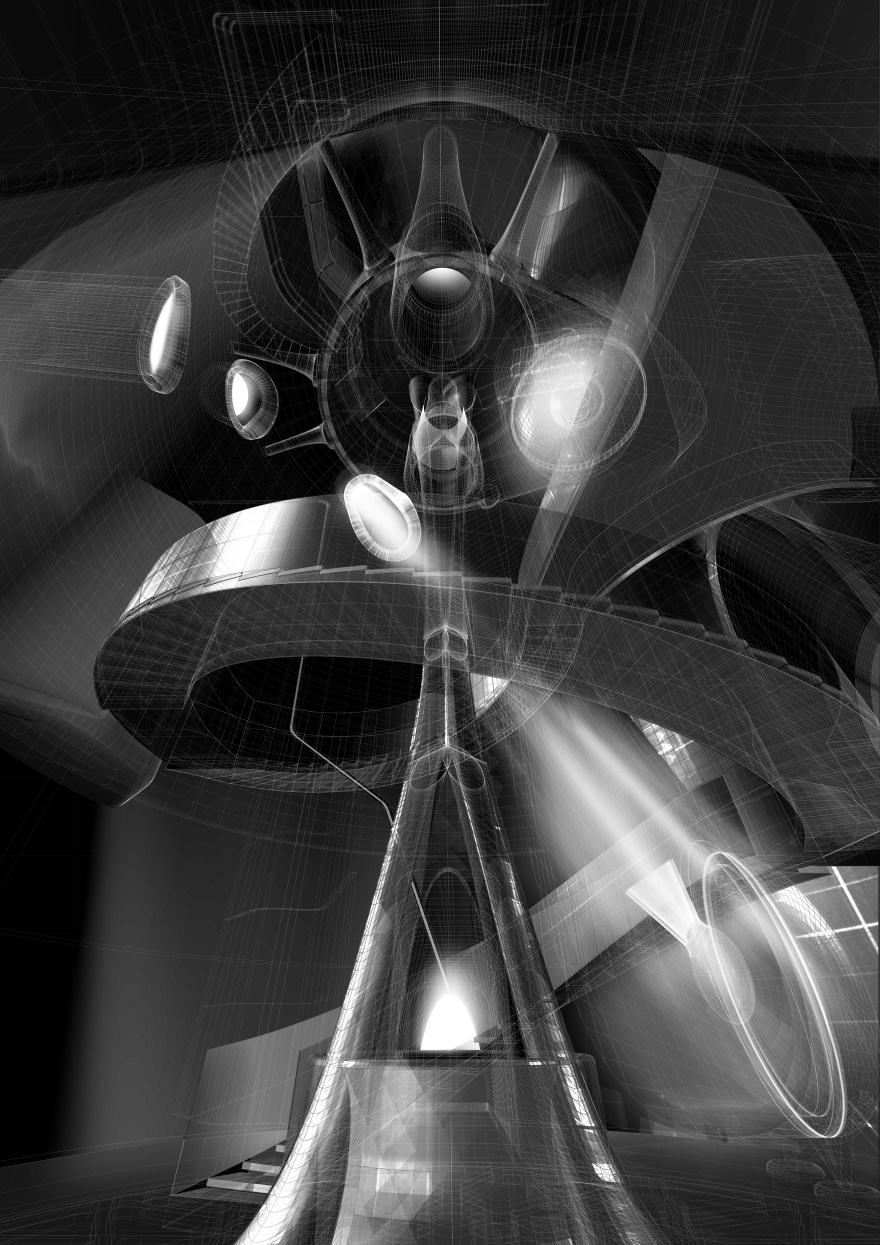
Situated within the cliff of the Rough’s escarpment of Hythe, the project aims to bring the cosmic sublime into the perception of human experience, in particular to the moon and sun – our closest celestial neighbours. By monitoring and spatially aligning with certain times and phases of the sun and moon (e.g. solstice and equinox chamber which let light in at the specific angle of the sun that those annual events occur; illuminating alcoves within the central atrium as well as a lunar beacon which expands and contracts according to the distance of the moon to the earth’s surface) the horticulturalists have a more experiential relationship to the cosmos which could influence their decisions when cultivating various plants. The extents of the apertures of horizon chambers align with the maximum and minimum positions of the moon along the horizon during the 18.6 year long lunar cycle.
LUNAR GARDENING
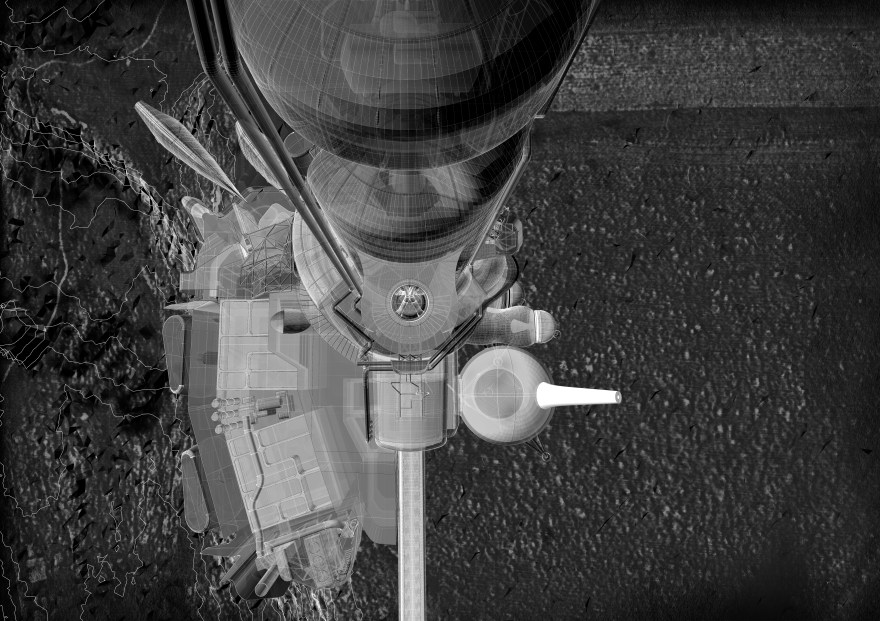
Within pagan and ancient times and traditions, using the phases of the moon to time the sowing of crops and seeds is (in some cases) religiously followed as to provide greater production and germination of plants. It is believed that the gravitational variance of the moon according to its distance, as well as geolocation in tandem with the sun, affects the movement of water and sap within plants and trees and thus affects the growth of plants. The project includes greenhouses, germination rooms, seed banks and laboratories to allow horticulturalists to cultivate endangered native species of wildflowers within the exquisite lowland calcareous habitat (hybridizing them in order to allow them to thrive within the local environment) and store their seeds. These seeds are then fired in the month that is favourable for them as well as the lunar phase which will allows further growth. The seeds shall be brought up to the firing platform at the top of the tower via pneumatic tubes, and an air pressure cannon will fire them up verticality, with the wind dispersing the seeds into the nearby and distant landscape.
QUESTIONING THE INHABITABLE INSTRUMENT
The cosmic spaces can be seen as an analogue experience of registers which, in the information age, are usually taken for granted and can be easily googled as to the precise time and date of various celestial events; we have lost our innate and personal connection to the cosmos. The building brings these elements into perceptions of light, spatiality and time. From the outside, we question the very tower itself as to what each component does, similar to how we question the components of a rocket launch site at Cape Canaveral, or the forms of Mendelsohns Einstein tower, or the monumental vessels within a blast furnace (famously photographed by Bernd and Hilla Becher). The intrigue is kept via the promise of a higher understanding or power.


 X-STUDIO